How TMCs Are Using AI to Predict and Manage Travel Disruptions in Real Time
Pavel Pratyush
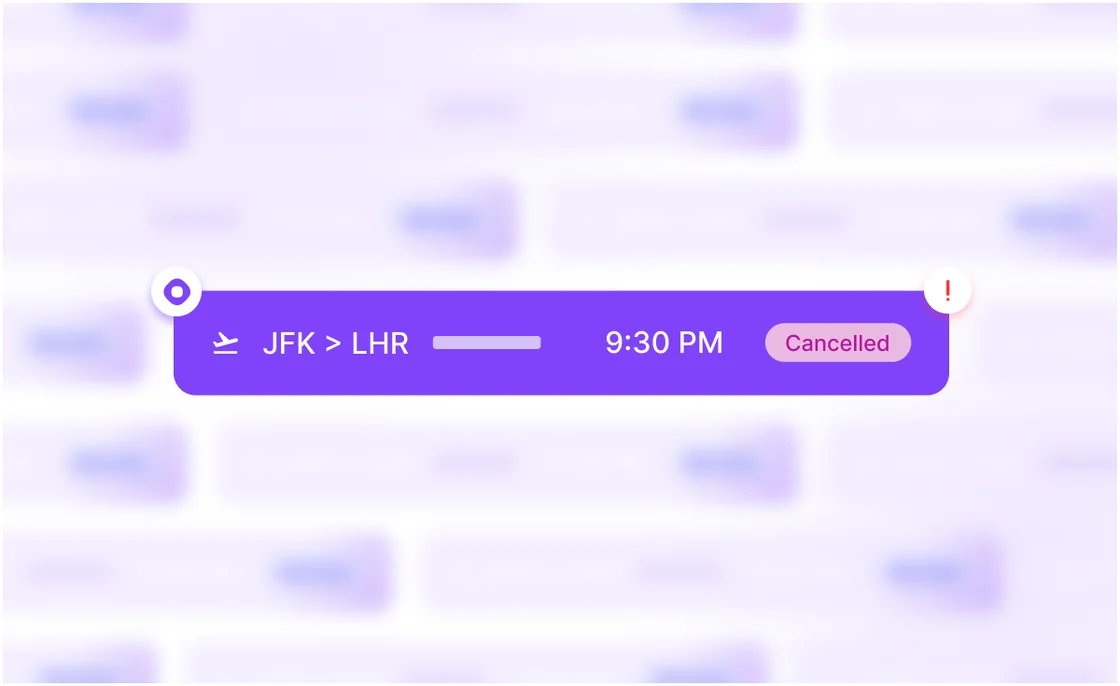
Travel disruption is no longer an edge case. It is the baseline.
Recent industry research from our friends at perk, shows that nearly 9 in 10 business travelers experienced disruption in the past year, with delays, cancellations, and missed connections becoming increasingly common. The impact is not just operational. Disruption-related costs now account for a meaningful share of total travel spend, while also driving lost productivity, missed meetings, and increased stress for travelers.
For travel management companies (TMCs), this creates a compounding problem. As disruption increases, so does the volume of requests, the complexity of servicing them, and the pressure on advisors to respond instantly.
Most teams are still set up to react.
Acai Travel and Lumo have partnered to change that by combining predictive disruption intelligence with AI-powered execution.
World Travel Inc. is the first customer to go live with the joint solution.
The real bottleneck: prioritization at scale
When disruption hits, everything becomes urgent.
Queues fill up. Travelers reach out across multiple channels. Advisors are forced to triage manually while navigating fare rules, airline policies, and limited availability.
The challenge is not visibility. It is prioritization.
Which travelers are actually at risk?
Which itineraries require immediate action?
Which options are valid under airline rules?
Without clear answers, high-impact cases often get handled too late, while lower-risk requests consume valuable time.
From prediction to execution inside the workflow
Lumo provides predictive intelligence on delays, cancellations, and missed connections by analyzing real-time and historical signals such as weather, air traffic, and network conditions.
Acai operationalizes that intelligence through its AI Travel Agent.
When disruption risk is detected, the AI Travel Agent can:
Identify impacted itineraries before the traveler reaches out
Prioritize high-risk travelers automatically
Interpret fare rules and airline policies in real time
Detect and apply applicable waiver codes
Execute exchanges, cancellations, or alternative bookings
Proactively communicate with travelers
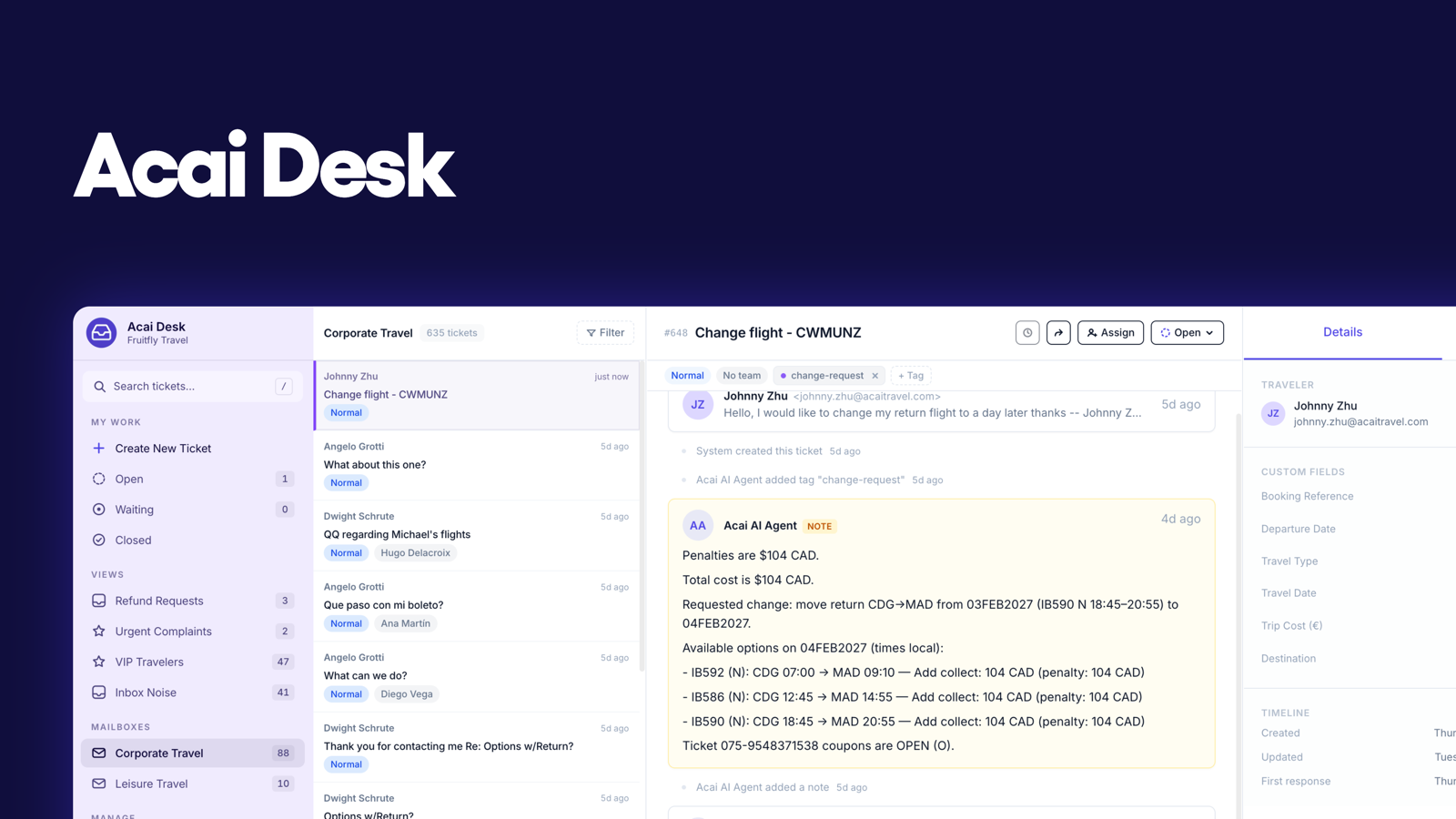
This happens directly inside the systems TMCs already use, without requiring a new interface or workflow.
The result is a shift from reacting to disruption to managing it proactively.
Omnichannel communication, built into operations
Disruption is not just an operational problem. It is a communication problem.
Travelers want different things depending on the situation. Some want to speak to someone immediately. Others want fast updates or self-service options.
At the same time, industry data shows that phone support remains the most preferred channel during disruption, even as digital channels continue to grow.
Acai’s AI Travel Agent operates within modern customer service platforms, allowing TMCs to support travelers across:
Email
SMS
Chat
Voice
This ensures that travelers can engage in the way they prefer, while the AI handles triage, prioritization, and execution behind the scenes.
Why this matters for TMCs
The cost of disruption is rising, but the bigger issue is how it is handled operationally.
Today, many TMCs respond by adding headcount or absorbing longer handling times during peak disruption periods. That approach does not scale.
By combining Lumo’s predictive intelligence with Acai’s AI Travel Agent, TMCs can:
Reduce average handling time for disruption cases
Automatically prioritize the travelers who need help most
Resolve issues earlier in the journey
Maintain service quality without increasing operational overhead
World Travel Inc.’s deployment demonstrates how this model can be implemented in real-world operations.
Industry perspective
“Disruption is not just about prediction. It is about what you do with it,” said Bala Chandran, Co-founder and CEO of Lumo. “By integrating with Acai, we are making our intelligence actionable inside real workflows, so travel companies can respond earlier and more effectively.”
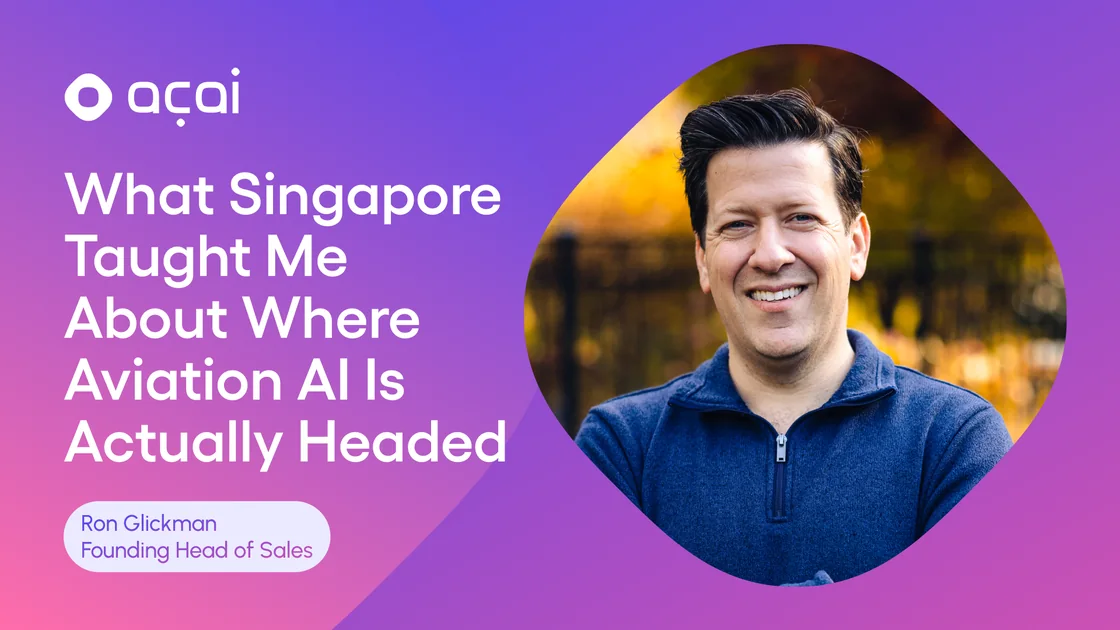
Our head of sales, Ron Glickman, added his own perspective coming from a rich airline background:
“Lumo’s technology gives airlines, TMCs, and OTAs a clearer view of what is likely to happen. What makes this powerful is that Acai’s AI Travel Agent can immediately act on that information. It can prioritize travelers, apply the right policies, and communicate across channels in real time. That is how you deliver a better experience during disruption.”
A new standard for disruption management
Disruption is becoming more frequent, more expensive, and more complex.
The companies that adapt will not just be the ones with better policies or more flexibility. They will be the ones that can operationalize disruption in real time.
By combining prediction with execution, Acai and Lumo are enabling a new model for travel operations. One where the right travelers are prioritized, the right actions are taken immediately, and communication happens before problems escalate.